Annually, a lot of expenses are spent on the repair and maintenance of various composite equipment, including the construction of new equipment and parts, and sometimes their replacement.
Problems such as water absorption and its penetration in the layers, UV rays of sunlight and low resistance to wear and scratches are among the factors that damage composite parts. For example, in water structures such as ships, boats and other recreational vehicles, maintenance costs can increase by two to three times with the age of these structures. Therefore, in these composite structures, a protective layer called gelcoat is used on the outer surfaces.
Introduction of Gelcoat
The durability of a polymer piece (composite) mainly depends on the quality of its outer surfaces. Therefore, during the production of the part, utmost care should be taken to prevent the layered glass fibers from coming close to the surface, because the part will be at risk of destruction with the penetration of air moisture into the fibers over time. For this purpose, a layer rich in resin called gelcoat is applied on the outer surfaces of the layered piece or structure. In many ways, the gelcoat coating is the most important part of a composite piece, because while providing protection, beauty and durability, it acts as a barrier against environmental factors, ultraviolet rays and wear. But since the gelcoat is applied as a coating on the outer surface of the part, if the design or application method is inappropriate, it can be the most vulnerable part of the composite part. Therefore, the utmost care should be taken when formulating and applying it on the mold.

Image1. Layering steps in the template
Gelcoat application methods
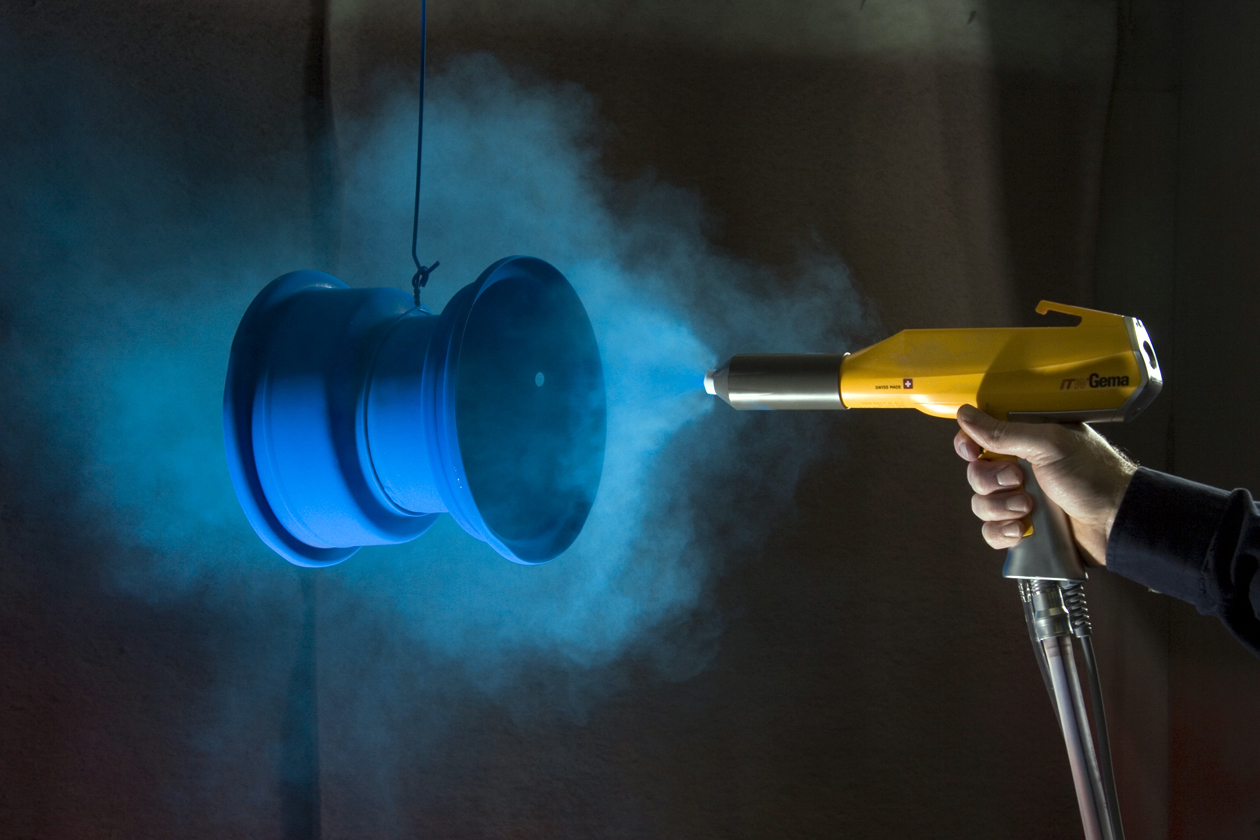
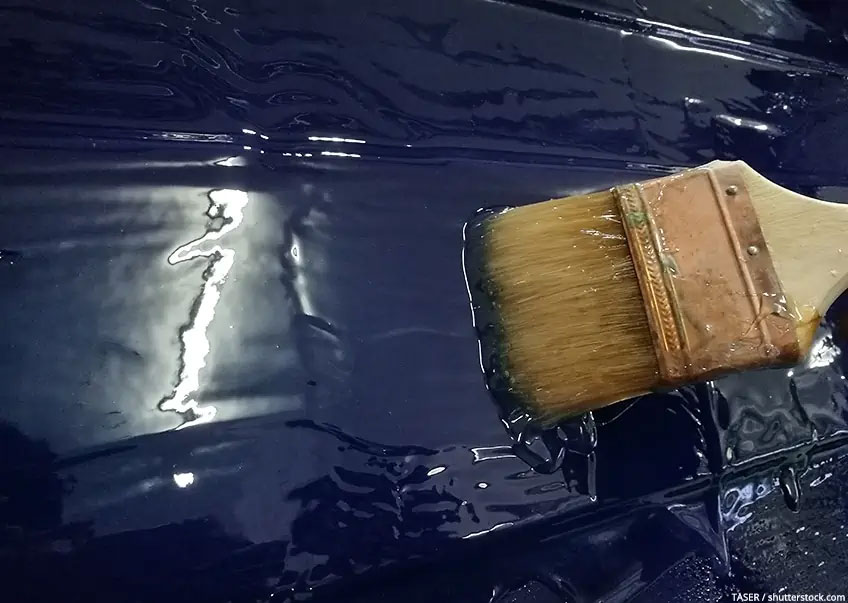
Gelcoat coating can be applied manually and through a spraying device. The following table shows the advantages and disadvantages of these methods.
According to the above table, the advantages of the spraying method with the gelcoat spraying machine are more than the manual method, but it should be noted that in this technique, the use of suitable equipment (gun and spray nozzle), the selection of gelcoat with optimal viscosity, suitable air pressure and temperature, and the correct pattern Spraying is important. The thickness of the gel coat should also be controlled in the range of 400 to 600 microns. If the thickness of the gelcoat coating is less than this amount, the layers of glass fibers may be exposed, and if its thickness is more than the specified amount, the piece may not be fully cured, cracked and vulnerable to impact (especially the back of the piece). be Therefore, any difference in thickness will cause stress on the surface of the gelcoat and cause cracking, and it will show itself in the form of uneven surfaces in colored gelcoats.
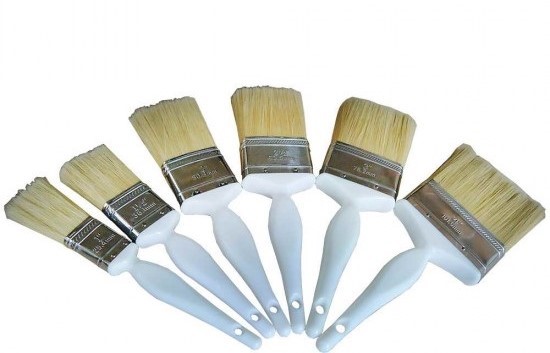
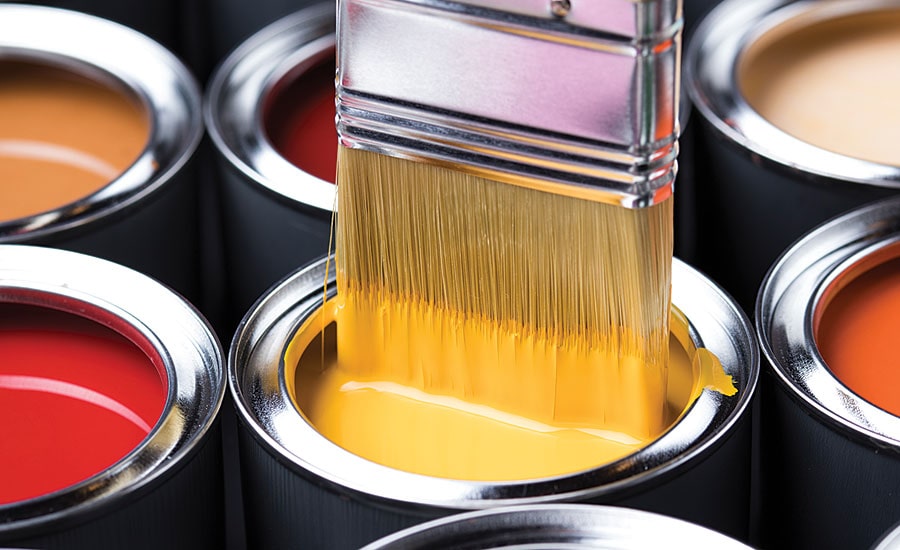
Image3. Types of brushes for applying gelcoat coating
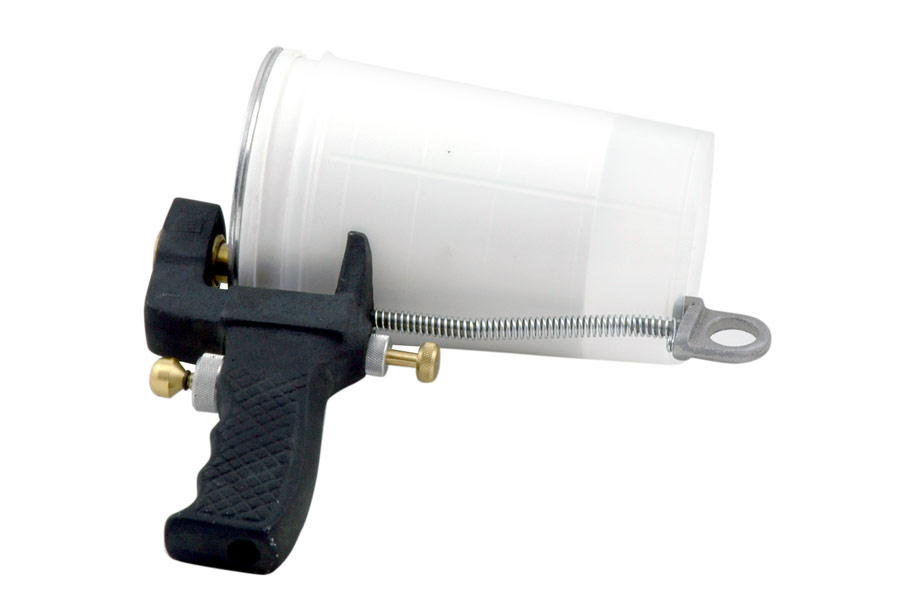
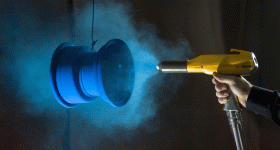
Image2. Gelcoat spraying machine
The main components of gelcoat
Gelcoat consists of a resin bed that includes one or more thermoset resins such as unsaturated polyester resin, vinyl ester resin, epoxy resin and additives. Among the additives used in these coatings, the following can be mentioned:
- Accelerating agent such as cobalt and DMA
- MEKP initiator
- Thixotropy agent
- Mineral fillers (calcium carbonate CaCo3 and talc)
- Nanoparticles
Types of gelcoat resin substrate
1- Gelcoat based on unsaturated polyester resin
There is a wide variety of raw materials for the production of unsaturated polyester resins. The selection of different dicarboxylic acids, di-alcohols and monomers leads to the production of a wide range of products with very wide properties, which are suitable for many industrial applications such as boat building industry, transportation industry or construction and resistant to corrosion. Polyester resin is the most common resin used in gel coat due to its affordability, good adhesion to the substrate, creating a smooth and shiny coating, impact resistance and flexibility. Polyester gelcoats are more suitable for applications that do not require high chemical resistance and are not exposed to harsh environments such as marine, automotive and construction industries. These types of gelcoats are classified based on the three main monomers of these resins, i.e. orthophthalic, isophthalic and neopentyl glycol (NPG).